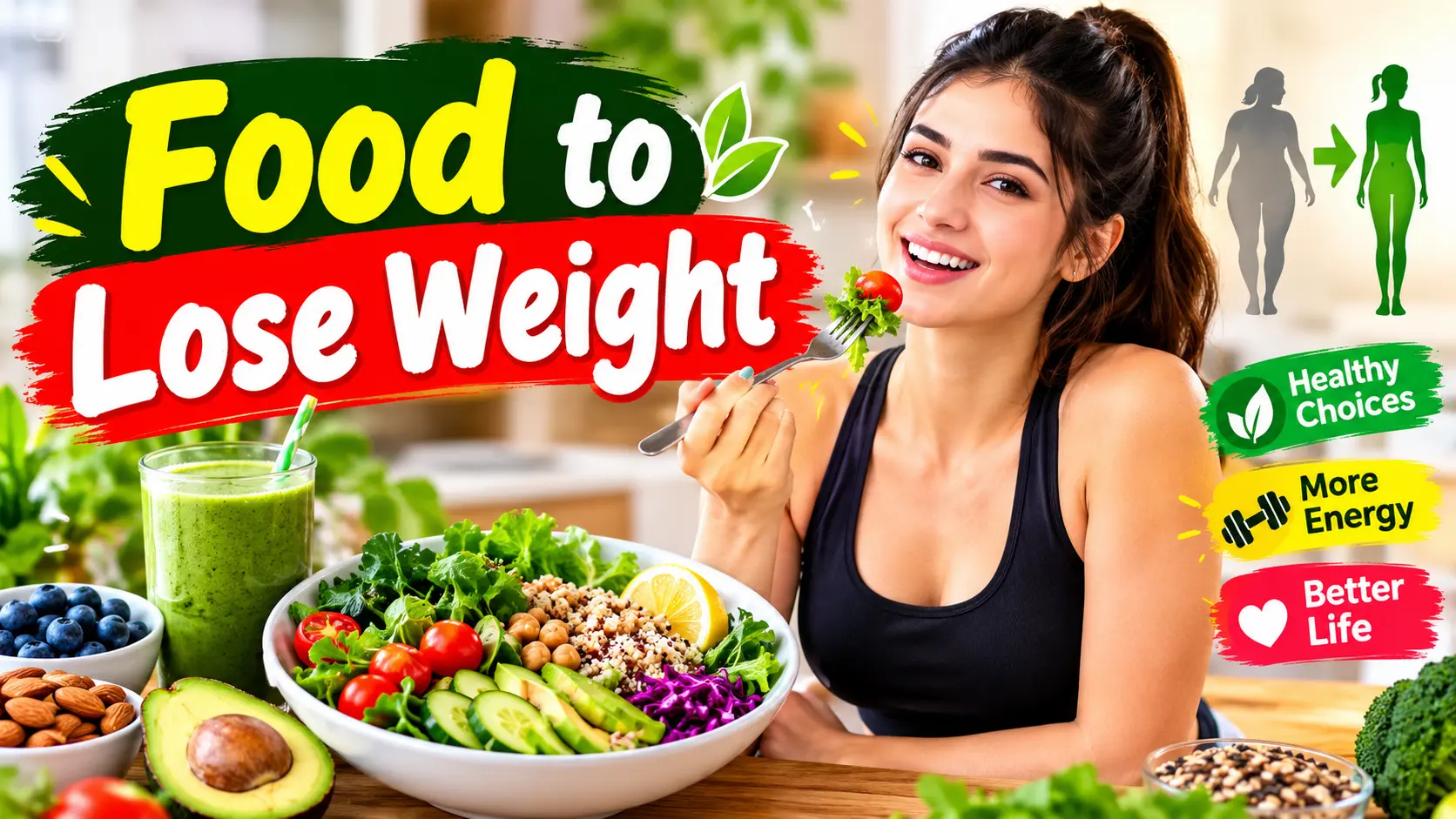
Trying to lose weight can feel confusing when every diet seems to recommend a different list of foods. One plan tells you to avoid carbohydrates, another focuses only on protein, while another promises that a particular food will melt away body fat. The reality is much simpler: no individual food can cause weight loss on its own.
The most useful food to lose weight is food that helps you build satisfying, nutritious meals while supporting an overall calorie intake that fits your needs. Protein-rich foods, vegetables, fruits, whole grains, beans, lentils, and other minimally processed foods can make healthy eating easier and more enjoyable.
Weight loss is influenced by your overall energy intake, physical activity, sleep, eating habits, and individual circumstances. Therefore, instead of searching for a miracle ingredient, it is better to create a sustainable eating pattern that you can follow consistently. In this guide, you will discover more than 30 nutritious options, practical portion-control strategies, meal ideas, foods to limit, and simple ways to make your diet easier to maintain.
What Makes a Food Helpful for Weight Loss?
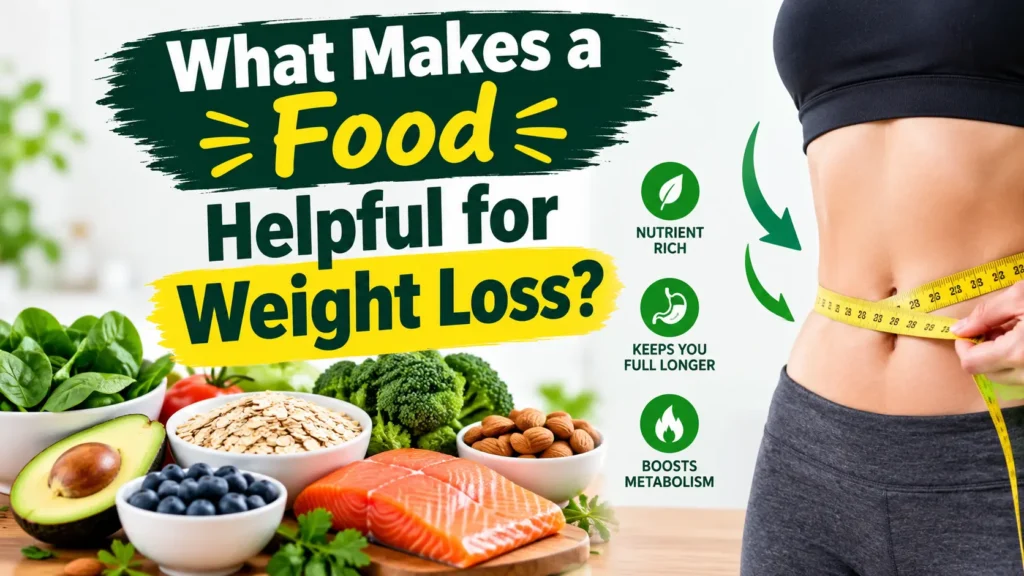
Not all nutritious foods have the same nutritional profile, and you do not need to eat only “diet foods” to lose weight. However, certain characteristics can make foods more useful when you are trying to manage hunger and overall calorie intake.
The best foods to lose weight are often rich in protein, fiber, water, or a combination of these nutrients. They can provide valuable vitamins and minerals while helping meals feel more satisfying.
Protein Can Make Meals More Satisfying
Protein is an important nutrient for maintaining muscle and supporting normal body functions. Including a protein source in your meals can also make them more filling.
Examples of high protein foods for weight loss include eggs, fish, chicken, Greek yogurt, cottage cheese, tofu, beans, and lentils.
Rather than eating protein alone, combine it with vegetables and a nutritious carbohydrate source for a balanced meal.
Fiber Adds Volume and Supports Digestion
Fiber is found naturally in vegetables, fruits, beans, lentils, oats, whole grains, nuts, and seeds.
Many high fiber foods for weight loss can help you create meals that are both nutritious and satisfying. Increasing fiber gradually and drinking enough fluids can also support normal digestion.
Water-Rich Foods Provide Plenty of Volume
Vegetables and fruits such as cucumbers, tomatoes, lettuce, watermelon, strawberries, oranges, and zucchini contain substantial amounts of water.
These foods can add volume, color, texture, and nutrients to meals without contributing as many calories as some highly concentrated foods.
30+ Healthy Foods That Can Fit a Weight-Loss Diet
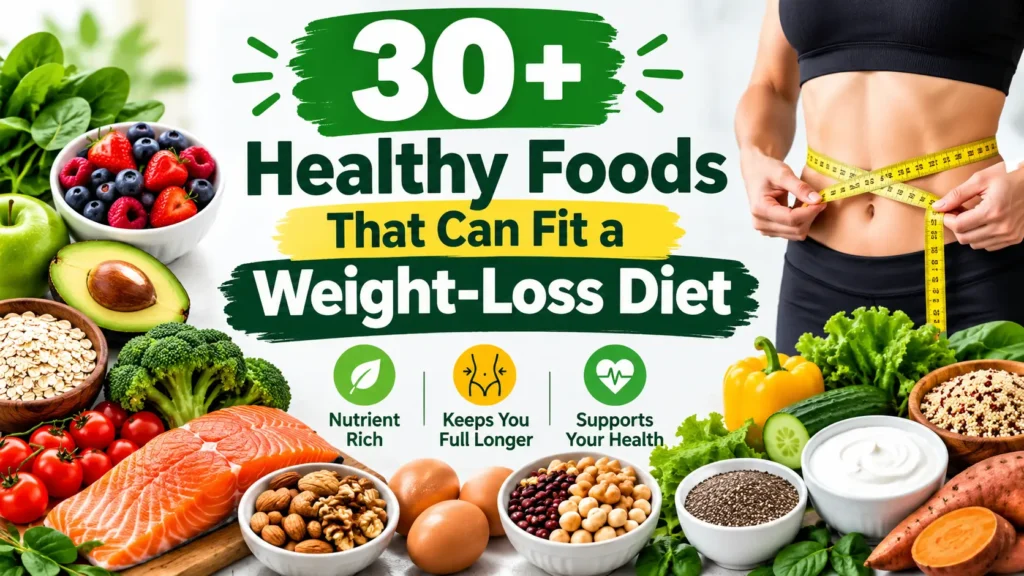
There is no universal list of foods that guarantees weight loss. Instead, think of the following options as building blocks for nutritious meals.
Your dietary preferences, allergies, health needs, budget, and lifestyle should all influence which foods you choose.
1. Eggs
Eggs are versatile, relatively affordable, and provide high-quality protein along with several important nutrients.
You can boil, scramble, poach, or prepare them as an omelet with vegetables. For breakfast, try two eggs with spinach, tomatoes, and a slice of whole-grain toast.
Eggs can be particularly useful when you want a breakfast that is more satisfying than a meal based mainly on refined carbohydrates.
2. Greek Yogurt
Plain Greek yogurt is a convenient source of protein and can work as breakfast, a snack, or a base for a healthier dessert.
Add berries, sliced banana, chia seeds, or a small amount of nuts for extra flavor and texture.
When comparing products, check the nutrition label because flavored varieties can contain considerable amounts of added sugar.
3. Chicken Breast
Skinless chicken breast is a lean source of protein and can be prepared in numerous ways.
Grill, bake, roast, or air-fry chicken and serve it with vegetables and a moderate portion of rice, potatoes, or another carbohydrate.
The preparation method matters. A breaded, deep-fried chicken meal with a creamy sauce can contain substantially more calories than simply prepared chicken.
4. Fish
Fish provides protein and can be an excellent addition to a balanced diet.
Salmon, trout, sardines, tuna, and other varieties can be used in salads, wraps, rice bowls, or served with vegetables.
Fatty fish also provides omega-3 fatty acids. Try baking or grilling fish instead of deep-frying it.
5. Oatmeal
Oats are a convenient whole-grain breakfast option and provide carbohydrates and fiber.
Prepare oatmeal with milk or water and add berries, banana, cinnamon, chia seeds, or Greek yogurt.
Instead of using large amounts of sugar or syrup, let fruit and spices provide much of the flavor.
6. Avocado
Avocados provide primarily unsaturated fats and can add creaminess to meals.
They work well on whole-grain toast, in salads, wraps, or grain bowls.
Because avocado is relatively energy-dense, portion size still matters. A nutritious food can contribute significant calories if consumed in very large amounts.
7. Spinach
Spinach is an easy way to add vegetables to meals.
Add fresh spinach to omelets, salads, soups, wraps, or smoothies. You can also cook it as a side dish with garlic and herbs.
Leafy greens are useful vegetables for weight loss because they can increase meal volume without adding many calories.
8. Broccoli
Broccoli provides fiber and several vitamins and minerals while being relatively low in calories.
Steam, roast, or stir-fry it and combine it with chicken, fish, tofu, beans, or another protein source.
Roasted broccoli can also provide a satisfying alternative to heavier side dishes.
9. Cauliflower
Cauliflower is another versatile vegetable.
You can roast it, steam it, add it to soups, or mash it as part of a mixed vegetable side dish.
Using vegetables such as cauliflower to replace some higher-calorie ingredients can increase meal volume while keeping the dish nutrient-rich.
10. Cucumbers
Cucumbers are refreshing and contain a high proportion of water.
Add sliced cucumbers to salads, sandwiches, wraps, or yogurt-based dips.
They are particularly convenient when you want a crunchy snack without relying on chips or other highly processed foods.
11. Tomatoes
Tomatoes can make simple meals more flavorful without requiring heavy sauces.
Use them in salads, omelets, sandwiches, wraps, soups, or homemade salsa.
Fresh tomatoes can also be paired with eggs, cottage cheese, or grilled chicken for a quick meal.
12. Berries
Strawberries, blueberries, raspberries, and blackberries are nutritious fruits for weight loss that can add natural sweetness to meals.
Add them to Greek yogurt or oatmeal, or eat them as a snack.
Whole berries are generally a better choice than turning large amounts of fruit into juice because the whole fruit retains its fiber.
13. Apples
Apples are portable, convenient, and easy to include in your daily routine.
An apple can be eaten alone or paired with Greek yogurt, cottage cheese, or a modest amount of nut butter.
Keeping fruit available can make it easier to choose nutritious snacks when hunger strikes.
14. Oranges
Oranges provide vitamin C, water, and fiber when eaten as whole fruit.
Peel an orange for a convenient snack or add orange segments to salads.
Choose whole oranges more often than juice when fullness is a priority.
15. Beans
Black beans, kidney beans, pinto beans, and other varieties provide protein, fiber, and carbohydrates.
They can be added to soups, salads, wraps, chili, or rice bowls.
Beans are especially useful if you want affordable plant-based foods that support weight loss while still creating satisfying meals.
16. Lentils
Lentils are inexpensive, versatile, and rich in protein and fiber.
Use them in soups, curries, salads, or stews. Lentils can also replace some or all of the meat in certain dishes.
A bowl containing lentils, vegetables, and a moderate portion of whole grains can make a nutritious lunch or dinner.
17. Chickpeas
Chickpeas can be used in hummus, salads, soups, curries, and grain bowls.
They provide both protein and fiber, making them a useful addition to a plant-based diet.
If you use canned chickpeas, rinsing them can reduce some of the sodium from the canning liquid.
18. Cottage Cheese
Cottage cheese is a protein-rich dairy food that can be used in sweet or savory meals.
Pair it with berries or other fruit for a snack, or combine it with tomatoes, cucumber, and herbs for a savory option.
Check labels if you are watching sodium intake.
19. Potatoes
Potatoes do not automatically cause weight gain. What matters is how they fit into your overall diet and how they are prepared.
Boiled, baked, or roasted potatoes can be nutritious additions to meals.
Large portions of fries prepared with significant amounts of oil are considerably more energy-dense than a plain baked potato.
20. Sweet Potatoes
Sweet potatoes provide carbohydrates, fiber, and various vitamins and minerals.
Bake or roast them and serve them with chicken, fish, beans, lentils, or vegetables.
They can be an excellent alternative to highly processed carbohydrate-based side dishes.
21. Brown Rice
Brown rice is a whole grain that provides carbohydrates and fiber.
Use it as part of a balanced bowl with vegetables and protein. You do not need to completely eliminate white rice either; portion size and the overall meal are more important than labeling one food as “bad.”
22. Quinoa
Quinoa can be used as a base for salads and grain bowls.
Combine it with chickpeas, cucumber, tomatoes, leafy greens, herbs, and a simple dressing.
Its versatility makes it useful for people looking for plant-based weight management foods.
23. Whole-Grain Bread
Bread can fit into a weight-loss diet.
Choose whole-grain varieties when possible and use them to create balanced sandwiches with lean protein and vegetables.
For breakfast, whole-grain toast can be paired with eggs and fruit.
24. Almonds
Almonds provide protein, fiber, and unsaturated fats.
They can be convenient when you need a portable snack, but portion control is particularly important because nuts are calorie-dense.
Instead of eating directly from a large bag, measure a small serving into a bowl.
25. Walnuts
Walnuts are another source of unsaturated fats, fiber, and protein.
Add a small amount to oatmeal, yogurt, salads, or fruit.
Like other nuts, walnuts can be nutritious without being a food you need to consume in large quantities.
26. Chia Seeds
Chia seeds contain fiber and can easily be incorporated into everyday meals.
Add them to oatmeal, yogurt, smoothies, or homemade chia pudding.
Because they are concentrated, a modest serving is generally sufficient.
27. Tofu
Tofu is a versatile plant-based protein.
It can be baked, grilled, stir-fried, or added to soups and curries.
Combine tofu with vegetables and a moderate serving of rice or noodles for a balanced meal.
28. Carrots
Carrots are naturally sweet and provide fiber and several nutrients.
Eat them raw as a snack, roast them as a side dish, or add them to soups and salads.
Pair raw carrots with hummus for a more satisfying snack.
29. Bell Peppers
Bell peppers are colorful, crunchy, and versatile.
Add them to omelets, stir-fries, salads, wraps, fajitas, or grilled meals.
Using different vegetables can make healthy meals more visually appealing and enjoyable.
30. Green Peas
Green peas provide carbohydrates, fiber, and some protein.
Add them to soups, rice dishes, salads, or vegetable-based meals.
Frozen peas can be particularly convenient because they require little preparation.
31. Green Tea
Unsweetened green tea can be a low-calorie beverage option.
Green tea is sometimes promoted as a powerful fat-burning solution, but it should not be treated as a substitute for a balanced diet and healthy lifestyle.
Its practical advantage is that it can replace sugary drinks without adding significant calories.
32. Water
Water is not a food, but it deserves a place in any discussion of healthy weight management.
Replacing sugary drinks with water can reduce liquid calories. Drinking enough fluids also supports normal body functions.
If plain water feels boring, try adding lemon, cucumber, mint, or berries for flavor.
How to Choose the Best Foods for Your Diet
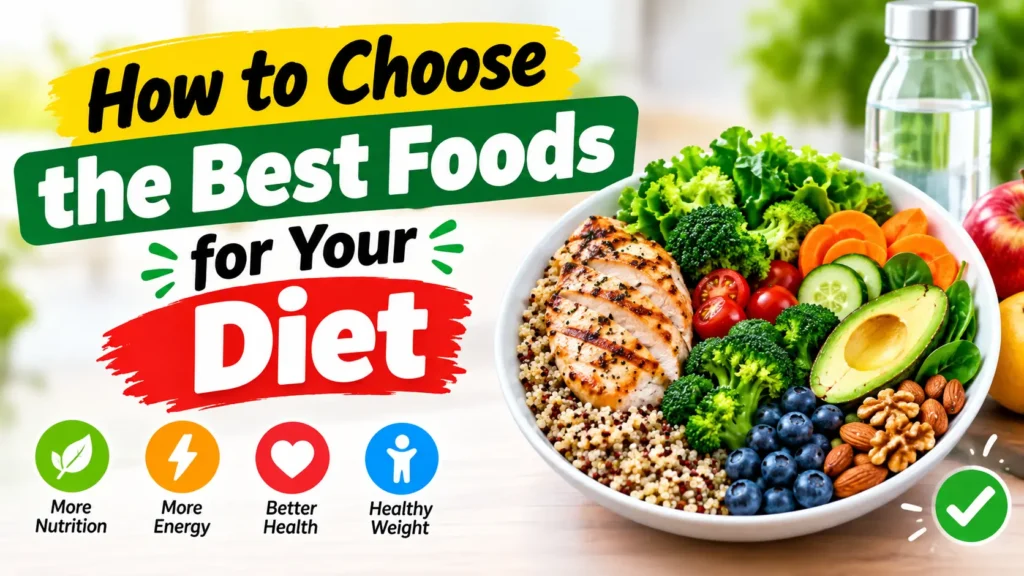
The best food for weight loss is not necessarily the food with the fewest calories. A food should also fit your hunger, nutritional needs, preferences, budget, and lifestyle.
For example, someone who enjoys oatmeal may find it easier to maintain a healthy breakfast routine with oats than with a food they dislike.
Similarly, someone who does not eat meat can rely on beans, lentils, tofu, Greek yogurt, eggs, and other suitable protein sources.
Sustainability is important. A healthy eating pattern that you can maintain for months is generally more practical than a restrictive diet that lasts only a few days.
How to Build a Balanced Weight-Loss Plate
Instead of focusing on one “perfect” food, build meals from several food groups.
Start With Vegetables
Try to make vegetables a major part of lunch and dinner.
Use broccoli, spinach, carrots, tomatoes, cucumbers, peppers, zucchini, or other vegetables you enjoy.
Fresh, frozen, and properly prepared canned vegetables can all be useful choices.
Add Protein
Include a source such as chicken, fish, eggs, tofu, Greek yogurt, beans, lentils, or cottage cheese.
Protein can help make meals more satisfying.
Choose a Nutritious Carbohydrate
Add oats, potatoes, sweet potatoes, brown rice, quinoa, beans, fruit, or whole-grain bread according to your needs and preferences.
You do not have to completely remove carbohydrates to lose weight.
Include Healthy Fats in Moderate Amounts
Avocado, nuts, seeds, and olive oil can provide unsaturated fats.
Because fats are calorie-dense, using moderate portions can help keep meals balanced.
Portion Control: How Much Should You Eat?
Healthy food can still contribute to weight gain if portions consistently exceed your body’s energy needs.
You do not necessarily have to weigh every ingredient. Instead, simple visual methods can help.
Use the Plate Method
One practical approach is to fill roughly half your plate with vegetables, then divide the remaining space between protein and a carbohydrate source.
This is a flexible guide rather than a strict rule.
Pay Attention to Energy-Dense Foods
Foods such as nuts, oils, avocado, cheese, and nut butter can be nutritious but concentrated in calories.
Instead of avoiding them, use sensible portions.
Listen to Hunger and Fullness
Eat slowly and give yourself time to notice how your body feels.
You do not have to finish everything on your plate if you are comfortably satisfied.
Healthy Breakfast Ideas for Weight Loss
A good breakfast does not need to be complicated.
Try eggs with spinach, tomatoes, and whole-grain toast.
Another option is plain Greek yogurt with berries, oats, chia seeds, and a small portion of nuts.
Oatmeal topped with banana, cinnamon, and Greek yogurt is another practical option.
These breakfast foods for weight loss combine different nutrients instead of relying heavily on refined sugar.
Healthy Lunch Ideas
For lunch, try a grilled chicken salad with leafy greens, cucumber, tomatoes, carrots, and a simple dressing.
A whole-grain wrap with chicken, lettuce, tomato, and yogurt-based sauce is another convenient option.
For a vegetarian lunch, combine lentils or chickpeas with vegetables and a moderate serving of brown rice or quinoa.
These combinations are examples of healthy meals for weight loss that can be adapted to different cuisines.
Healthy Dinner Ideas
Dinner can include baked salmon, roasted broccoli, and a baked potato.
Another option is grilled chicken with brown rice and mixed vegetables.
For a plant-based meal, try lentils or tofu with vegetables and quinoa.
The goal is not to make every dinner perfect. Instead, develop a pattern of balanced meals that you can repeat consistently.
Healthy Snacks for Weight Loss
Snacks are not automatically bad for weight loss. They can be useful when you are genuinely hungry between meals.
Some simple healthy snacks for weight loss include:
- Apple with a small serving of nut butter
- Greek yogurt with berries
- Boiled egg with cucumber or carrots
- Cottage cheese with fruit
- Carrots and cucumber with hummus
- A small portion of almonds
- Fresh berries
- Orange or apple
Choose snacks according to your hunger and nutritional needs rather than eating automatically throughout the day.
Smart Food Substitutions for Weight Management
Small substitutions can sometimes be easier to maintain than completely changing your diet.
Replace Sugary Drinks With Water
Instead of drinking soda or heavily sweetened beverages every day, try water or unsweetened tea.
Choose Grilled Instead of Deep-Fried
Grilling, baking, roasting, and steaming can reduce the amount of added oil compared with deep-frying.
Choose Whole Fruit Instead of Juice
Whole fruit generally provides more fiber and requires more chewing than juice.
Use Yogurt-Based Sauces
A plain Greek yogurt sauce with herbs and lemon can be an alternative to some heavy creamy sauces.
Add Vegetables to Familiar Meals
You do not have to completely change your favorite dishes. Add spinach, peppers, tomatoes, broccoli, carrots, or other vegetables to meals you already enjoy.
Foods to Limit When Trying to Lose Weight
You do not necessarily need to ban specific foods. However, some choices can make calorie management more difficult when consumed frequently or in large quantities.
Sugary Beverages
Soda, sweetened coffee drinks, sweet tea, and similar beverages can provide a significant amount of added sugar and calories.
Liquid calories can also be less satisfying than many solid foods.
Deep-Fried Foods
Fried foods can be highly energy-dense because of the oil used during cooking.
Enjoy them occasionally if they fit your preferences, but rely more often on baked, grilled, steamed, or roasted foods.
Highly Processed Snacks
Chips, cookies, candy, and similar snacks can be easy to consume quickly.
Instead of keeping large packages within easy reach, consider having fruit, yogurt, vegetables, or portioned nuts available.
Large Portions of Calorie-Dense Foods
Even nutritious foods can contribute substantial calories when eaten in very large amounts.
Pay particular attention to oils, nuts, nut butters, cheese, avocado, and calorie-rich sauces.
Common Weight-Loss Mistakes to Avoid
Understanding common mistakes can help you build a more realistic approach.
Eliminating Entire Food Groups Without a Reason
Cutting out carbohydrates or other food groups is not automatically necessary for weight loss.
A balanced diet can contain a variety of foods.
Eating Too Little
Extreme restriction can leave you hungry, tired, and less likely to maintain your eating plan.
A sustainable approach should provide adequate nutrition.
Ignoring Drinks
People sometimes focus heavily on food while overlooking calories from beverages.
Consider what you drink throughout the day, especially sweetened drinks and large specialty coffee beverages.
Assuming Healthy Means Unlimited
Nuts, avocado, whole grains, and other nutritious foods can still contribute significant calories.
Healthy eating and portion awareness should work together.
Expecting Overnight Results
Body weight can naturally fluctuate from day to day.
Instead of judging progress based on a single measurement, focus on longer-term trends and sustainable habits.
Can You Eat Carbohydrates and Still Lose Weight?
Yes. You do not have to completely eliminate carbohydrates to lose weight.
Oats, potatoes, sweet potatoes, beans, lentils, fruit, brown rice, quinoa, and whole-grain bread can all be part of a balanced diet.
The key is to consider portions, food quality, overall calorie intake, and your individual needs.
Rather than asking whether carbohydrates are “good” or “bad,” consider how they fit into your complete meal.
Can You Lose Weight Without Giving Up Your Favorite Foods?
In many cases, yes.
A sustainable diet does not have to consist entirely of salads and steamed vegetables.
You can modify familiar meals by adjusting portions, adding vegetables, choosing leaner protein, reducing heavy sauces, or changing cooking methods.
For example, instead of eliminating pizza completely, you might have a reasonable portion alongside a large salad or vegetables.
The goal is to create eating habits that are realistic enough to continue.
What Should You Eat at Night to Lose Weight?
There is no specific nighttime food that automatically causes fat loss.
If you are hungry in the evening, choose a snack that fits your overall diet. Greek yogurt, fruit, cottage cheese, or a small portion of nuts can be practical options.
What matters most is your overall eating pattern rather than the idea that eating after a particular hour automatically causes weight gain.
A Simple 7-Day Weight-Loss Meal Example
The following plan is an example of how weight loss diet foods can be combined. It is not a personalized calorie prescription, and portion sizes should be adjusted according to individual needs.
Day 1
Breakfast: Eggs with spinach, tomatoes, whole-grain toast, and fruit.
Lunch: Grilled chicken salad with cucumber, carrots, tomatoes, and a simple dressing.
Dinner: Baked fish with roasted broccoli and a baked potato.
Snack: Greek yogurt with berries.
Day 2
Breakfast: Oatmeal with berries, chia seeds, and Greek yogurt.
Lunch: Chickpea salad with vegetables and whole-grain bread.
Dinner: Chicken with brown rice and mixed vegetables.
Snack: Apple with a small serving of almonds.
Day 3
Breakfast: Greek yogurt with banana, berries, oats, and chia seeds.
Lunch: Lentil soup with a vegetable salad.
Dinner: Baked salmon with sweet potato and green vegetables.
Snack: Cottage cheese with fruit.
Day 4
Breakfast: Vegetable omelet with whole-grain toast.
Lunch: Chicken and vegetable whole-grain wrap.
Dinner: Lentils with spinach, tomatoes, and brown rice.
Snack: Carrots, cucumber, and hummus.
Day 5
Breakfast: Oatmeal with banana and cinnamon.
Lunch: Tuna salad with leafy greens and vegetables.
Dinner: Grilled chicken with broccoli and roasted potatoes.
Snack: Greek yogurt with berries.
Day 6
Breakfast: Eggs with tomatoes, spinach, and whole-grain toast.
Lunch: Quinoa bowl with chickpeas and mixed vegetables.
Dinner: Baked fish with roasted vegetables.
Snack: Apple with a small portion of walnuts.
Day 7
Breakfast: Greek yogurt with fruit, oats, and chia seeds.
Lunch: Lentil and vegetable soup with whole-grain bread.
Dinner: Tofu or chicken with brown rice and mixed vegetables.
Snack: Cottage cheese with berries.
This example demonstrates how foods that help you lose weight can be combined into balanced meals. It should not be treated as a universal diet because energy and nutrient requirements vary from person to person.
How to Make Healthy Eating Easier
Your environment can have a major effect on your food choices.
Plan Meals Before You Get Hungry
Decide what you will eat ahead of time when possible.
Planning breakfast and lunch the night before can reduce last-minute reliance on fast food or highly processed snacks.
Keep Nutritious Foods Convenient
Wash fruit, prepare vegetables, cook protein in advance, or keep convenient options such as Greek yogurt and boiled eggs available.
The easier a healthy choice is to access, the more likely you may be to choose it.
Do Not Aim for Perfection
One high-calorie meal does not erase your progress.
Instead of thinking, “I ruined my diet,” return to your normal eating routine at the next meal.
Consistency is more useful than perfection.
Be Physically Active
Nutrition is only one part of healthy weight management.
Walking, resistance training, cycling, swimming, sports, or another activity you enjoy can support overall health.
Choose activities that fit your lifestyle so you can maintain them over time.
Prioritize Sleep
Sleep is another important part of overall health.
Maintaining a regular sleep schedule can support your energy levels and make it easier to maintain healthy daily routines.
When Should You Get Professional Nutrition Advice?
General nutrition information cannot account for everyone’s medical history or nutritional requirements.
Consider speaking with a registered dietitian, doctor, or other qualified healthcare professional if you have a medical condition, take medications that affect weight or nutrition, are pregnant or breastfeeding, have a history of disordered eating, or need a personalized eating plan.
A professional can help you determine appropriate calorie and nutrient requirements instead of relying on a one-size-fits-all diet.
Frequently Asked Questions
What is the best food to lose weight?
There is no single best food for weight loss. Protein-rich foods, vegetables, fruits, beans, lentils, whole grains, and other minimally processed foods can help you create nutritious and satisfying meals.
What foods burn belly fat?
No specific food can selectively burn belly fat. Reducing overall body fat generally requires an appropriate long-term energy balance. Diet quality, physical activity, sleep, and consistency all matter.
What food keeps you full the longest?
Foods containing protein and fiber can be particularly satisfying. Examples include eggs, Greek yogurt, beans, lentils, vegetables, oats, and whole grains. Individual responses to foods vary.
Can I eat rice while trying to lose weight?
Yes. Rice can fit into a weight-loss diet. Pay attention to portion size and pair it with vegetables and a protein source such as chicken, fish, tofu, beans, or lentils.
Are fruits good for weight loss?
Whole fruits can be part of a healthy weight-loss diet. They provide nutrients, fiber, and water. Whole fruit is generally more filling than juice.
Can I eat eggs every day?
For many healthy adults, eggs can fit into a balanced diet. However, individual nutritional needs vary. People with specific health concerns should discuss their diet with a healthcare professional.
Should I stop eating carbohydrates to lose weight?
No. You do not have to eliminate carbohydrates to lose weight. Nutritious sources such as oats, potatoes, beans, fruit, and whole grains can be included in a balanced diet.
What are some healthy foods for weight loss on a budget?
Beans, lentils, oats, eggs, potatoes, seasonal vegetables, frozen vegetables, and some fruits can be relatively affordable options. Buying foods in season and planning meals around inexpensive staples can help reduce costs.
Can I lose weight by changing only my diet?
Diet can have a major influence on weight, but overall health is also supported by physical activity, sleep, stress management, and other lifestyle habits. The most appropriate approach varies between individuals.
Final Thoughts
Finding the right food to lose weight is less about discovering one magical ingredient and more about creating a balanced eating pattern that you can maintain. Build meals around protein-rich foods, vegetables, fruits, beans, lentils, whole grains, and other minimally processed choices. Pay attention to portions of calorie-dense foods, especially oils, nuts, cheese, avocado, and heavy sauces.
You do not have to completely eliminate rice, bread, potatoes, carbohydrates, or your favorite foods. Instead, focus on reasonable portions and combine different food groups to create satisfying meals. The most effective approach is usually one that fits your lifestyle. Plan meals when possible, keep nutritious foods available, drink fewer sugary beverages, stay active, get enough sleep, and avoid extreme restrictions.