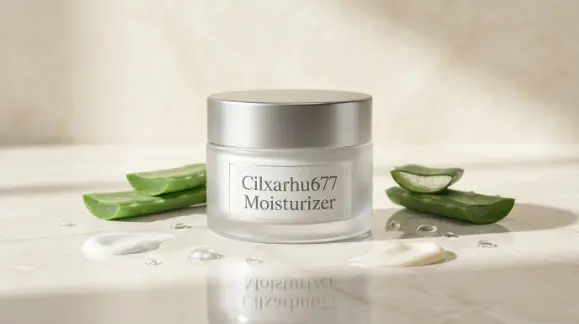
If you’ve searched for the Cilxarhu677 moisturizer product, you may have noticed something unusual: there’s very little reliable information about the product itself. That makes it important to separate verifiable skincare facts from claims repeated across low-quality pages. Current web searches do not provide a verified manufacturer, official ingredient list, or dependable product documentation for Cilxarhu677.
Several pages discuss the name, but they don’t establish a legitimate product source. One recent investigation likewise reports that the product name doesn’t appear in established cosmetic or retail records. That doesn’t mean the basic skincare questions surrounding the term are difficult to answer.
Quite the opposite. The science behind moisturizer, hydration, and the skin barrier is well established. So this guide takes a practical approach. It explains what can reasonably be said about the Cilxarhu677 moisturizer product, how a quality moisturizer should work, which ingredients matter, how to use one correctly, and what you should check before putting an unfamiliar product on your face.
Bottom line: Treat Cilxarhu677 as an unverified product name unless you can confirm the manufacturer, packaging, ingredient list, and legitimate source. Don’t rely on unsupported claims about its ingredients or results.
Key Takeaways About the Cilxarhu677 Moisturizer Product
Before getting into the details, here’s the short version.
- The Cilxarhu677 moisturizer product has limited verifiable product information online.
- There isn’t enough reliable evidence to confirm a specific ingredient list, formulation, manufacturer, clinical testing, or product performance.
- A genuine daily moisturizer can help reduce moisture loss and improve the feel and appearance of dry skin.
- Effective moisturizers commonly combine humectants, emollients, and occlusives.
- Ingredients such as glycerin, hyaluronic acid, ceramides, petrolatum, shea butter, and squalane can serve useful moisturizing roles when properly formulated.
- Your skin type should influence the texture and formulation you choose.
- Applying moisturizer to slightly damp skin after cleansing can help trap water.
- People with oily or acne-prone skin don’t necessarily need to avoid moisturizer. A lightweight, non-comedogenic option may work better.
- Morning moisturizer doesn’t replace sunscreen or SPF.
- If a product causes persistent burning, itching, swelling, or irritation, stop using it and seek appropriate medical advice.
The American Academy of Dermatology recommends moisturizing dry skin and generally favors creams or ointments over lotions when stronger moisturization is needed.
What Is the Cilxarhu677 Moisturizer Product?

The Cilxarhu677 moisturizer product appears online primarily as a search term rather than as a well-documented commercial skincare product.
That’s an important distinction.
A legitimate moisturizer product normally has basic information consumers can verify. You’d expect to find a manufacturer or responsible company, packaging details, an ingredient declaration, usage instructions, product size, and a legitimate distribution channel.
Current searches don’t provide enough dependable evidence to establish those details for Cilxarhu677. Some websites describe it as a moisturizer associated with hydration and barrier care, but those descriptions don’t independently verify what is actually inside a product sold under that name.
Cilxarhu677 at a Glance
| Product detail | What can currently be established |
| Product name | Cilxarhu677 |
| Product category | Described online as a moisturizer |
| Verified manufacturer | Not reliably established |
| Official ingredient list | Not reliably established |
| Verified formulation | Not established |
| Clinical evidence specific to Cilxarhu677 | Not established |
| Reliable consumer testing | Not established |
| General moisturizer science | Well established |
This distinction matters because general moisturizer benefits shouldn’t automatically become Cilxarhu677-specific claims.
For example, glycerin can help support skin hydration. That doesn’t mean a product called Cilxarhu677 contains glycerin unless its actual ingredient list confirms it.
What to Check on the Product Label
If you physically have a Cilxarhu677 product, the packaging becomes much more useful than random web pages.
Look for:
- Full ingredient list
- Manufacturer or responsible company’s name
- Country of manufacture
- Directions for use
- Product size
- Batch or lot information
- Expiration or period-after-opening information
- Contact information
- Skin-type recommendations
- Fragrance information
- Claims such as non-comedogenic
- Any stated SPF rating
The ingredient list is particularly valuable because it tells you what the formula actually contains.
If the container doesn’t provide basic product information, that’s a reason to pause before using it on your facial skin.
Why Your Skin Needs a Daily Moisturizer
Your skin constantly interacts with the environment. Temperature changes, low humidity, cleansing, wind, friction, and other factors can affect its water content and protective function.
A daily moisturizer helps address one of the simplest skincare problems: excessive moisture loss.
Think of your outer skin like a brick wall. Skin cells provide much of the structural material while lipids between those cells help fill the spaces. When that structure works properly, the skin can better retain water and keep unwanted substances from passing through too easily.
When the barrier becomes disrupted, the wall develops weak spots.
Water escapes more readily. Skin can then feel dry, rough, tight, or irritated.
The Role of the Skin Moisture Barrier
The moisture barrier, often discussed as part of the broader skin barrier, sits at the outermost portion of your skin.
Its job goes far beyond keeping your face soft.
A healthy barrier helps:
- Reduce excessive water loss
- Maintain skin hydration
- Protect against environmental stress
- Keep irritants out
- Support comfortable skin
- Maintain normal barrier function
- Contribute to overall skin health
The American Academy of Dermatology explains that dry skin develops when the skin loses water too quickly. Hot showers, harsh products, dry environments, and certain medical conditions can contribute to that process.
That’s why moisturizing isn’t merely about making your face feel silky for a few hours.
Consistent barrier support can help maintain comfortable, well-conditioned skin.
What Happens When Skin Loses Hydration?
When facial skin loses too much moisture, several changes can appear.
You might notice:
- Tight skin after cleansing
- Flaking
- Rough patches
- Increased sensitivity
- A dull complexion
- More noticeable fine lines
- Rough or uneven texture
- General discomfort
Dryness can also create a frustrating cycle. You may respond by scrubbing harder or adding more active skincare products. Those steps can sometimes increase irritation instead of solving the original problem.
A simpler routine often makes more sense.
Gentle cleansing, appropriate moisturizing, and daily sun protection form a practical foundation for many people.
Moisturizer vs. Hydration: What’s the Difference?
These terms often get used interchangeably, but they describe related concepts.
Hydration generally refers to water content.
Moisturization involves helping the skin maintain water and improving its surface condition through ingredients that attract water, soften the skin, or reduce water loss.
That explains why a good moisturizing cream can contain several different ingredient categories.
Key Benefits of the Cilxarhu677 Moisturizer Product
The safest way to discuss the benefits of Cilxarhu677 is to distinguish general moisturizer benefits from benefits specifically proven for this product.
There isn’t enough verified formulation information to claim that Cilxarhu677 definitely delivers a particular ingredient-specific effect.
However, a properly formulated moisturizer product can provide several useful skincare benefits.
Supports Skin Hydration
The primary purpose of most moisturizers involves maintaining better skin hydration.
A well-formulated product can help your skin feel less tight and more comfortable. Depending on its ingredients, it may also help reduce moisture loss.
The AAD recommends applying moisturizer after washing while the skin remains damp because moisturizer can help trap existing water.
Helps Soften Rough Skin
Emollients help smooth the spaces and irregularities across the skin surface.
That can make rough skin feel softer and more flexible.
Ingredients such as squalane, shea butter, and fatty acids can serve emollient functions in appropriate formulations.
Supports the Skin Barrier
A moisturizer can also contribute to skin barrier support.
Products containing suitable lipids and barrier-supporting ingredients may help improve the feel and condition of compromised skin.
Ceramides are especially relevant because they form part of the lipid structure naturally found in the outer skin barrier.
However, ingredient presence alone doesn’t guarantee a particular result. Formulation, concentration, stability, and individual skin response all matter.
Improves Skin Comfort
Sometimes the most noticeable benefit isn’t dramatic visual transformation.
It’s comfort.
Skin that previously felt tight after cleansing may feel calmer and softer after consistent moisturizing.
That everyday improvement can make a skincare routine easier to maintain.
How Does the Cilxarhu677 Moisturizer Product Work?
To understand how a daily face cream works, you need to understand three major ingredient groups:
- Humectants
- Emollients
- Occlusives
Many effective moisturizers use more than one category because each performs a different job.
Humectants Attract Water
Humectants are ingredients that help attract and hold water.
Common examples include:
- Glycerin
- Hyaluronic acid
- Urea
- Certain other water-binding ingredients
Glycerin and hyaluronic acid frequently appear in skincare products designed for hydration.
The basic idea is simple: humectants support water availability in the upper layers of the skin.
However, saying that a humectant “pulls water from the air” oversimplifies how these formulas work. The actual behavior depends on formulation, humidity, concentration, and the surrounding ingredients.
Emollients Smooth the Skin Surface
Emollients focus more heavily on softening and smoothing.
They can help improve the feel of:
- Rough patches
- Uneven surface texture
- Dry areas
- Flaky skin
Common emollient materials include squalane, shea butter, fatty acids, and certain plant oils.
Imagine sanding a rough wooden surface. You aren’t replacing the entire piece of wood. You’re making the surface feel smoother.
Emollients perform a somewhat similar cosmetic role for the skin surface.
Occlusives Help Lock in Moisture
Occlusives form a protective layer that helps reduce water loss.
Examples include:
- Petrolatum
- Mineral oil
- Certain plant oils
- Some silicones
- Other lipid-rich materials
Petrolatum is particularly effective as an occlusive ingredient.
The AAD recommends creams and ointments for dry skin because they generally provide more effective moisturization than lighter lotions.
Why the Ingredient List Matters
This is where the Cilxarhu677 discussion becomes important.
Without an authentic ingredient list, you can’t responsibly say whether this product contains:
- Glycerin
- Hyaluronic acid
- Ceramides
- Squalane
- Shea butter
- Petrolatum
- Plant oils
- Fatty acids
- Other hydrating ingredients
Don’t assume.
A product’s name doesn’t reveal its chemistry.
How to Use the Cilxarhu677 Moisturizer Product for Best Results
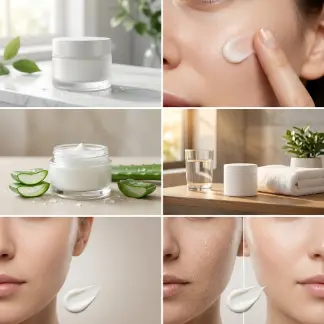
If you have a genuine product with complete labeling, proper moisturizer application is fairly straightforward.
Cleanse First
Start with a mild cleanser suited to your skin type.
Avoid aggressive scrubbing. Excessive cleansing can worsen dryness and irritation.
The AAD recommends gentle cleansing and limiting face washing to avoid unnecessary irritation.
Apply to Damp Skin
After cleansing, gently pat your face without completely drying it.
Then apply moisturizer while the skin remains slightly damp.
This technique can help trap water at the skin surface.
It doesn’t mean your face should be dripping wet. Slightly damp is enough.
How Much Moisturizer Should You Use?
There’s no universal pea-sized measurement that works perfectly for every moisturizer.
A pea-sized amount might work for a small area, while a nickel-sized amount could make more sense for broader areas depending on the formula.
The goal is simple:
Use enough to create an even layer without leaving an unnecessarily heavy coating.
A very thick application isn’t automatically better.
How to Apply Face Moisturizer
Use your fingertips and spread the product gently.
A practical technique looks like this:
- Put an appropriate amount on clean fingertips.
- Dot it across the forehead, cheeks, chin, and nose.
- Spread gently across the face.
- Avoid aggressive rubbing.
- Give the product a moment to settle before applying another layer.
There’s no need to massage your skin vigorously.
Your face isn’t a kitchen countertop that needs scrubbing.
Morning Skincare Routine
A simple morning skincare routine can follow this order:
Cleanser → Serum → Moisturizer → Sunscreen → Makeup
Not everyone needs a serum.
Likewise, a cleanser may not be necessary every morning for every person.
The important point is that sunscreen follows moisturizer when both products are separate.
Nighttime Skincare Routine
A basic nighttime skincare routine can look like:
Cleanser → Treatment or Serum → Moisturizer
If your routine includes several treatments, introduce them carefully.
More products don’t automatically mean better results.
How Often Should You Use Moisturizer?
Many people can use moisturizer twice daily, morning and night, especially when their skin tends to become dry.
The AAD specifically recommends moisturizing when skin feels dry and applying moisturizer after washing. For some people with significant dryness, more frequent application may be appropriate.
Cilxarhu677 Moisturizer Product vs. Other Daily Face Creams
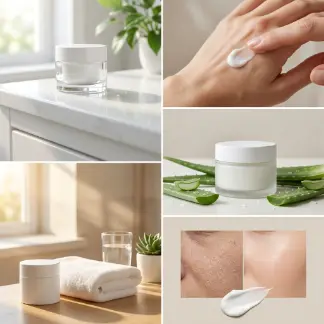
Because Cilxarhu677 doesn’t have a reliably documented formulation, a direct performance comparison would be misleading.
Instead, compare it with established moisturizer categories.
| Type | Typical feel | Often useful for |
| Gel moisturizer | Watery, lightweight | Oily skin, hot weather |
| Lightweight moisturizer | Light, fast-absorbing | Combination or normal skin |
| Daily face cream | Creamy | Normal to dry skin |
| Rich cream | Thick, nourishing | Dry to very dry skin |
| Occlusive moisturizer | Heavy or protective | Significant moisture loss |
| Night cream | Richer texture | Overnight hydration |
The AAD similarly suggests gel formulas for oily skin or hot, humid conditions while creams may suit dry to very dry skin better.
Cilxarhu677 vs. a Typical Gel Moisturizer
A gel moisturizer usually emphasizes a lightweight sensory experience.
It may suit someone who dislikes a greasy finish.
That’s especially relevant during hot weather when heavy products can feel uncomfortable.
However, someone with very dry skin may prefer a richer formula.
Cilxarhu677 vs. a Typical Rich Cream
A rich cream usually provides more substantial emollient and occlusive support.
That’s useful when dry skin needs stronger moisture retention.
The tradeoff?
It may feel too heavy for oily or combination skin.
What Makes a Good Daily Face Cream?
Instead of choosing based solely on the product name, compare:
- Ingredient quality
- Skin-type compatibility
- Texture
- Fragrance
- Potential irritants
- Non-comedogenic labeling when relevant
- Packaging
- Manufacturer transparency
- Usage directions
- Price relative to formulation and quantity
Common Moisturizing Mistakes to Avoid
Even a good moisturizer product can’t compensate for poor skincare habits.
Applying Moisturizer Only When Skin Feels Extremely Dry
Waiting until your skin becomes flaky or uncomfortable isn’t always necessary.
Consistent daily moisture can make more sense than emergency moisturizing.
Using Too Much Product
More isn’t always better.
A heavy layer may create a greasy finish, especially if you already have oily skin.
It can also interfere with makeup application.
Choosing a Formula That Doesn’t Match Your Skin
Someone with oily skin may dislike a thick, occlusive cream.
Someone with very dry skin may find a watery gel inadequate.
Your skin type should guide the texture.
Skipping Sunscreen
A moisturizer doesn’t automatically protect your face from ultraviolet radiation.
If your moisturizer doesn’t contain a properly tested broad-spectrum SPF, use a separate sunscreen.
The AAD recommends broad-spectrum, water-resistant sunscreen with SPF 30 or higher for sun protection.
Overwashing Your Face
Clean skin doesn’t mean squeaky-clean skin.
Repeated harsh cleansing can strip oils and increase dryness.
The AAD recommends limiting face washing to twice daily and after sweating for many people.
Ignoring Irritation
Burning isn’t a sign that a product is “working.”
Persistent stinging, itching, redness, swelling, or worsening irritation deserves attention.
If symptoms continue, stop the product and consider professional evaluation.
Who Should Use the Cilxarhu677 Moisturizer Product?
The answer depends on whether you can verify the actual formula.
Different skin types have different needs.
Dry Skin
Dry skin → rich hydration + barrier support.
Creams and ointments often work better than lightweight lotions when dryness is significant.
Look for ingredients such as:
- Glycerin
- Hyaluronic acid
- Ceramides
- Shea butter
- Petrolatum
- Other suitable emollients and occlusives
Normal Skin
Normal skin → balanced hydration.
A lightweight lotion or comfortable cream may provide enough daily hydration without feeling heavy.
Combination Skin
Combination skin → hydration without excess oil.
You may need different textures on different areas.
For example, a lighter formula might feel better around oily zones while drier cheeks benefit from more moisturizer.
Oily Skin
Oily skin → lightweight hydration + non-greasy finish.
In fact, the AAD notes that people with oily skin can still benefit from moisturizing. For acne-prone skin, look for labels such as oil-free or non-comedogenic.
Sensitive Skin
Sensitive skin → gentle formula + minimal irritants.
Fragrance can bother some people with sensitive or dry skin. The AAD recommends fragrance-free products for dry, sensitive skin.
Dehydrated Skin
Dehydrated skin refers to insufficient water rather than simply insufficient oil.
A person can have oily skin and still experience dehydration.
That distinction matters because adding an extremely heavy product isn’t always the best solution.
How to Choose the Right Moisturizer for Your Skin Type
Here’s a simple decision framework:
| Skin type | Look for | Be careful with |
| Dry skin | Creams, emollients, occlusives | Harsh cleansers |
| Very dry skin | Rich cream or ointment | Lightweight formulas that don’t provide enough moisture |
| Normal skin | Balanced lotion or cream | Overly heavy textures |
| Combination skin | Medium-weight or targeted hydration | Heavy application across oily zones |
| Oily skin | Lightweight, non-greasy, non-comedogenic | Very heavy occlusives |
| Sensitive skin | Fragrance-free, gentle formulas | Known irritants |
| Breakout-prone skin | Non-comedogenic moisturizer | Products that consistently clog pores |
This approach is more useful than searching for one moisturizer that supposedly works perfectly for everyone.
What Results Should You Expect From a Daily Moisturizer?
Good skincare rarely needs dramatic promises.
Short-Term Changes
After applying a suitable moisturizer, you may notice:
- Softer skin
- Less tightness
- A smoother surface
- More comfortable skin
- A less dry appearance
These effects can happen relatively quickly because moisturizers alter the skin surface and reduce the sensation of dryness.
Longer-Term Effects of Consistent Moisturizing
With consistent use, maintaining hydration can help support comfortable skin and a healthier-looking surface.
People with significant dryness may need more frequent application.
The AAD notes that moisturizers play an important role in managing dry skin and recommends applying them regularly.
Don’t Expect a Miracle
A moisturizer isn’t a magic eraser for every skin concern.
It isn’t automatically going to remove:
- Deep wrinkles
- Acne
- Acne scars
- Hyperpigmentation
- Every rough patch
- Every uneven skin tone issue
Its core job remains moisture management, skin conditioning, and barrier support.
That’s valuable enough.
Cilxarhu677 Moisturizer Product: Safety and Skin Compatibility
Because Cilxarhu677 lacks sufficient verified product documentation, caution matters more than usual.
Check the Ingredient List Before Use
Don’t purchase or apply an unfamiliar skincare product based solely on an online article.
Confirm the actual packaging.
Look for a complete ingredient declaration and identifiable manufacturer information.
Consider a Patch Test
When introducing a new skincare product, a small-area test can help you identify obvious irritation before applying it broadly.
A patch test doesn’t guarantee that you’ll never react to a product. It simply provides an additional precaution.
Introduce New Products Gradually
Don’t introduce five new products at once.
If your skin suddenly reacts, you’ll have no idea which product caused the problem.
Instead, introduce products one at a time.
That makes your routine easier to troubleshoot.
Recognize Signs of Irritation
Watch for:
- Persistent burning
- Significant redness
- Itching
- Swelling
- New rash
- Worsening dryness
- Pain
If a product causes a concerning reaction, discontinue use and seek medical advice when appropriate.
People with persistent severe dryness should also consider seeing a dermatologist because underlying conditions can sometimes cause excessive dryness.
Can a Moisturizer Help With Acne-Prone Skin?
Yes.
That may sound surprising because acne-prone skin often feels oily.
However, some acne treatments can cause significant dryness and irritation. The AAD notes that moisturizers can help people tolerate treatments such as benzoyl peroxide, salicylic acid, and topical retinoids.
The trick lies in choosing the right formula.
For breakout-prone skin, consider products labeled:
- Non-comedogenic
- Oil-free
- Won’t clog pores
- Lightweight
No label can guarantee that a product will work perfectly for every person. Individual reactions still matter.
Can You Use Moisturizer Under Makeup?
Yes.
A makeup-friendly moisturizer can create a smoother surface for foundation.
However, texture matters.
A product that’s extremely greasy or heavy may cause:
- Foundation separation
- Pilling
- Uneven makeup
- Excess shine
- A heavy finish
For daytime makeup application, allow your moisturizer to settle before applying foundation.
Your skincare product order should generally place moisturizer before makeup.
A practical sequence is:
Cleanser → Serum → Moisturizer → Sunscreen → Foundation
The exact order can vary depending on the products you’re using.
How Long Does It Take to See Moisturizing Benefits?
Some effects can appear immediately.
Skin may feel softer or less tight after one application.
More consistent improvements in dryness depend on your skin condition, environment, routine, and the formulation you’re using.
If your skin remains extremely dry despite regular moisturizing, don’t simply keep adding more products.
Persistent dryness can have an underlying cause that needs proper evaluation.
Frequently Asked Questions
What is Cilxarhu677 moisturizer product?
Cilxarhu677 moisturizer product is a name used online to describe a supposed skincare moisturizer. However, reliable information about its manufacturer, ingredients, formulation, and commercial availability remains limited. Several online pages discuss it, but those pages don’t provide enough independent evidence to verify product-specific claims.
What are the Cilxarhu677 moisturizer product benefits?
There isn’t enough verified product-specific evidence to confirm particular benefits. Generally, a properly formulated moisturizer can support skin hydration, reduce moisture loss, soften rough skin, and improve skin comfort.
Is Cilxarhu677 moisturizer good for dry skin?
A moisturizer can be useful for dry skin, but it’s impossible to recommend Cilxarhu677 specifically without confirming its formulation. For dry skin, dermatologists commonly recommend creams or ointments containing appropriate moisturizing ingredients.
Is Cilxarhu677 moisturizer suitable for sensitive skin?
There’s no reliable basis for guaranteeing that it suits sensitive skin. Check the actual ingredient list and look for a gentle, fragrance-free formulation when appropriate.
Is Cilxarhu677 moisturizer suitable for oily skin?
The same uncertainty applies. Oily skin often benefits from lightweight, non-comedogenic hydration rather than heavy creams.
How often should you use moisturizer?
Many people can moisturize morning and night. People with significant dryness may need additional applications. The right frequency depends on your skin’s needs and the product’s directions.
Should you apply moisturizer to damp skin?
Yes. Applying moisturizer to slightly damp skin after cleansing can help trap water. The AAD recommends this approach for getting more benefit from moisturizer.
Should moisturizer go before or after sunscreen?
For separate skincare products, use moisturizer before sunscreen in your morning routine.
Sunscreen should remain the final dedicated skincare step before makeup.
Should moisturizer go before or after serum?
Generally, apply a serum before moisturizer.
A simple routine looks like:
Cleanser → Serum → Moisturizer → Sunscreen
However, always follow the directions for specialized products because some formulas have different application instructions.
Can moisturizer cause breakouts?
It can happen with unsuitable products, particularly if the formulation doesn’t agree with your skin.
If you’re prone to clogged pores or breakouts, look for a non-comedogenic moisturizer and monitor your skin’s response.
Can moisturizer repair a compromised skin barrier?
A suitable moisturizer can support the skin barrier and reduce dryness associated with barrier disruption.
However, severe or persistent barrier problems may require more than a cosmetic moisturizer. Underlying skin conditions need appropriate treatment.
Does moisturizer replace sunscreen?
No.
A regular moisturizer provides hydration and conditioning. Sunscreen provides UV protection when it contains an appropriate SPF and is used correctly.
Those are different jobs.
Final Thoughts:
The biggest lesson about the Cilxarhu677 moisturizer product is surprisingly simple: verify the product before trusting the claims. A moisturizer can absolutely play an important role in a good skincare routine. The science behind humectants, emollients, occlusives, moisture retention, and barrier support gives you a practical framework for choosing one.
But general skincare science can’t prove what’s inside an unverified product. If you have Cilxarhu677 in hand, start with the label. Check the manufacturer, ingredients, directions, packaging, and expiration information. Then compare the formula with what your skin actually needs.